Rockman et al Research, Evaluation, and Consulting
Services
Independent Evaluation
We offer comprehensive program evaluations, formative and front-end evaluations, as well as summative evaluations for a wide range of projects, from an independent perspective.
Learn More about Independent EvaluationRigorous Research
Our staff are experienced in designing and conducting rigorous research on learning processes and outcomes, including quasi-experimental studies and randomized controlled trials.
Learn More about Rigorous ResearchConsulting and Capacity-Building
We consult on a variety of issues ranging from use of technology in schools, to organizational planning and development, to scaling up interventions. Our staff is also skilled at developing internal capacity for self-evaluation.
Learn More about Consulting and Capacity-BuildingMarket Research
We help businesses test existing products and services and test the waters for new offerings.
Learn More about Market ResearchClients
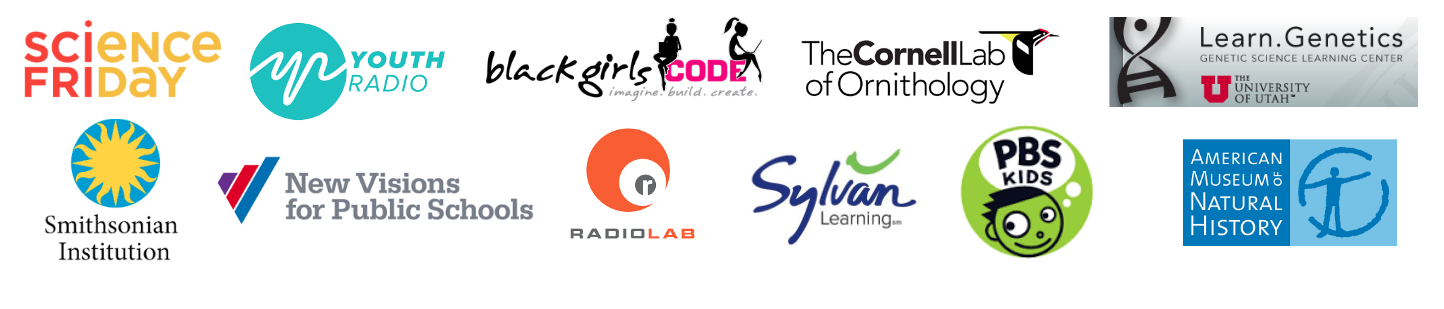
Learn more about our clients.
Featured Project
Climate Leaders Academy

Climate Leaders Academy is an NSF funded project that offers opportunities for students from a range of institutions of higher education to learn about and work together to address climate change issues. In addition, the program focuses on efforts to expand access to climate change studies to students from under-represented populations. REA is conducting a […]
Meet Us At
Meet Us in March
Meet Scott Burg at the Independent Evaluation Office (IEO) 4th Conference on Evaluating Environment and Development held in Washington, DC on March 5th through 7th. If you plan on attending the conference or would like more information, don’t hesitate to reach out. Camellia Sanford-Dolly will be attending the National Afterschool Association Convention at the Hyatt […]

Join REA Research Principal Nisaa Kirtman and Senior Research Associate Alex Gurn, @AyeshaBoyce and Mallary Swartz TODAY at 2pm EST as they present: Elevating the Voices of Black Parents and Caregivers #evaluation #research #edresearch

Thrilled to share my latest work, "Continuing the Work of Black Girlhood Studies," a chapter co-authored w/ my long term research partner Dr. Nisaa Kirtman. It is a deep dive into Black girls' success in STEM in "Ourselves in Our Work: Black Women Scholars of Black Girlhood".
Let's celebrate REA Research Principal Nisaa Kirtman for her new book chapter co-written with @6Gems, "Continuing the Work of Black Girlhood Studies: Culturally Centered Program Development & Evaluation."
Explore the whole anthology here: https://www.peterlang.com/document/1311823

Applying for an NSF AISL grant? The REVISE Center is offering a series of informational webinars in October and November. Learn more and register: https://www.informalscience.org/2023-2024-aisl-program-webinars-and-resources #InformalEd #STEMEd #NSFSTEM #NSFFunded @NSF